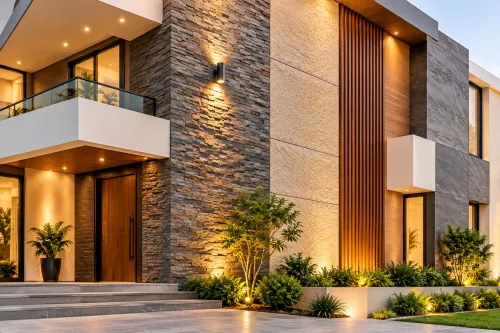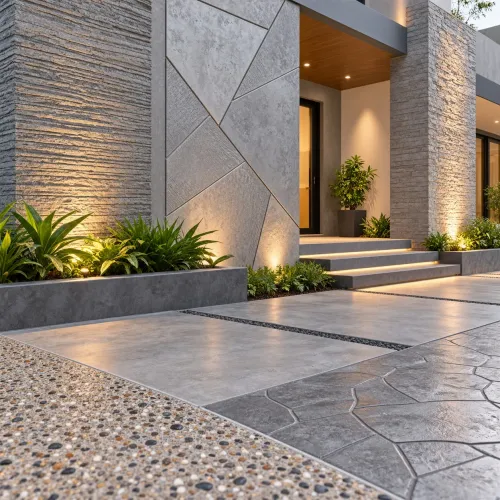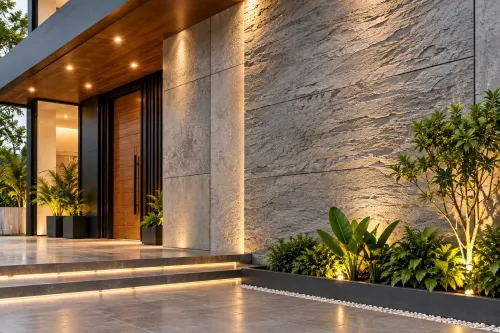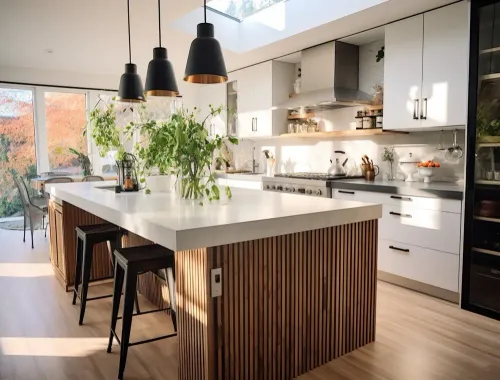
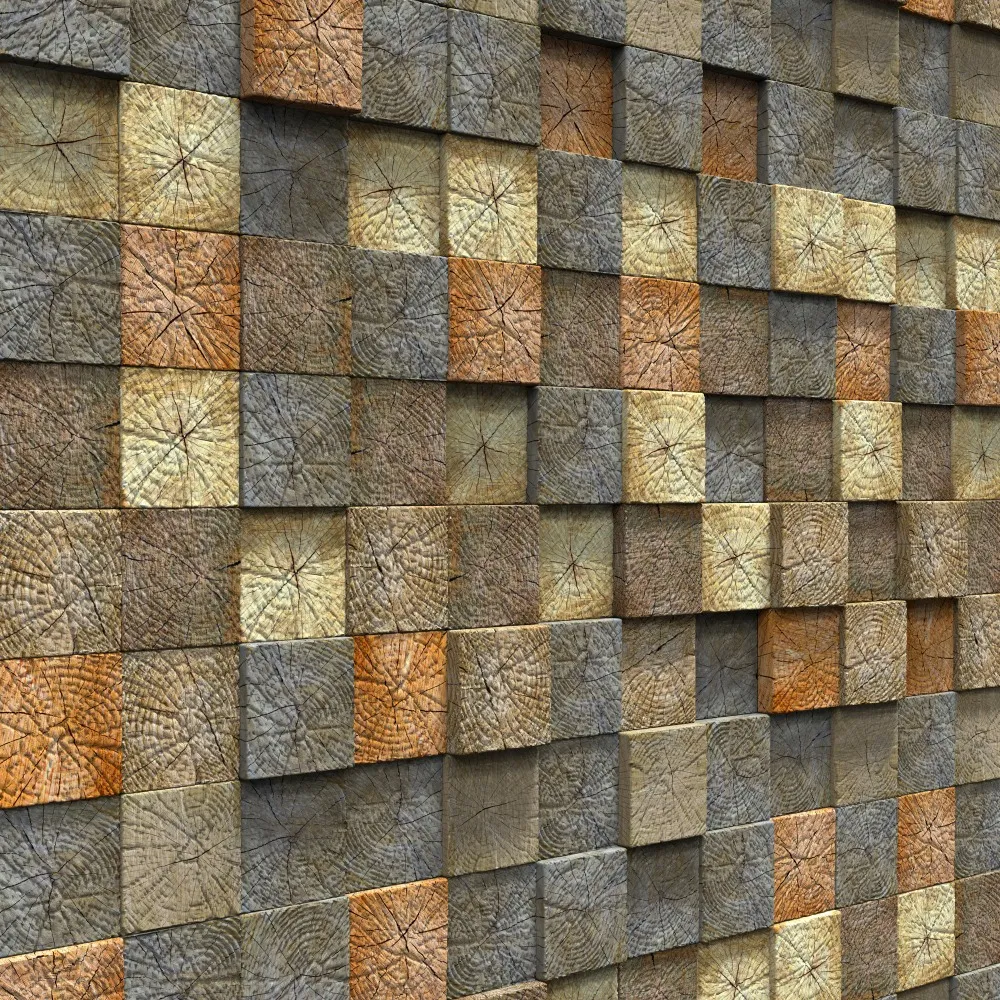
A three-dimensional wall texture can add depth to a room without relying on framed artwork or elaborate decoration. It may be used to define a reception, living room, bedroom, restaurant, lobby, or commercial display area.
Choosing a 3D wall texture in Pune requires more than selecting an attractive sample. Scale, lighting, surrounding finishes, maintenance, and surface preparation all influence the final appearance.
Decide What the Wall Should Achieve
Some textured walls are intended to become the main visual feature. Others provide a subtle background for furniture, lighting, branding elements, or artwork.
A bold geometric pattern can energize a commercial environment, while a softer linear or stone-inspired texture may suit a residence. The desired visual role should be established before selecting the pattern.
Texture should support the room rather than compete with every other element.
Match Pattern Scale to Room Size
Large patterns generally need enough viewing distance to be appreciated. In a narrow passage or compact bedroom, an oversized motif may feel overwhelming.
Smaller or lower-relief patterns can work better in confined rooms. Larger walls, hotel lobbies, double-height spaces, and commercial reception areas can carry deeper relief or broader compositions.
Designers should examine the pattern as a full-wall elevation instead of judging it from a small sample.
Plan the Lighting Early
Light determines how a 3D surface is perceived. Directional lighting creates highlights and shadows that reveal depth. Uniform front lighting can make the same texture appear comparatively flat.
Suitable options may include:
- Wall washers
- Grazing lights
- Concealed ceiling lighting
- Adjustable spotlights
- Warm ambient lighting
- Integrated linear illumination
Electrical points and ceiling provisions should be coordinated before the texture is installed. Adding lighting later may involve avoidable cutting or patchwork.
Coordinate Colour With the Interior
Neutral textures are versatile and allow the relief itself to remain the primary feature. Darker colours create stronger shadows and drama, while lighter shades can help smaller rooms remain open.
The wall colour should be reviewed alongside flooring, upholstery, curtains, cabinetry, and metal finishes. Natural daylight may also alter how the surface appears at different times of day.
A site sample is more reliable than choosing from a screen.
Consider Cleaning and Contact
Highly textured surfaces may collect more dust than smooth walls. Their location should therefore match the household or commercial maintenance routine.
Deep relief is better kept away from areas where chairs, luggage, or frequent hand contact could damage it. In hospitality and commercial spaces, impact-prone lower sections may need additional protection.
For dining spaces, kitchens, and other active zones, the finish must be evaluated for stain resistance and cleanability.
Prepare the Wall Properly
The base surface should be checked for dampness, cracks, loose plaster, and uneven areas. Installing a decorative finish over an unresolved wall defect can lead to visible damage later.
Pune properties may experience seasonal dampness during the monsoon, particularly on external-facing walls. The source of moisture should be corrected before decorative work begins.
Kibo World provides wall texture and decorative concrete services for homes and commercial projects in Pune. A professional proposal should explain surface preparation, sample approval, colour variation, installation sequence, and protection during other site work.
A successful 3D wall is integrated into the room’s architecture. When pattern, proportion, light, and surrounding materials are considered together, the surface gains character without making the interior feel unnecessarily busy.
Keywords