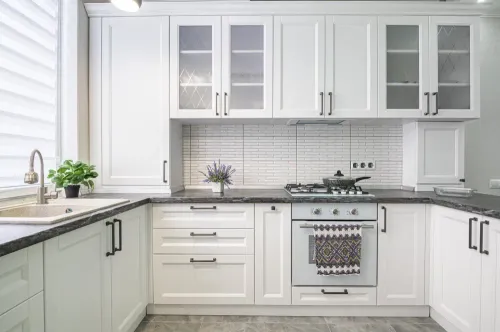
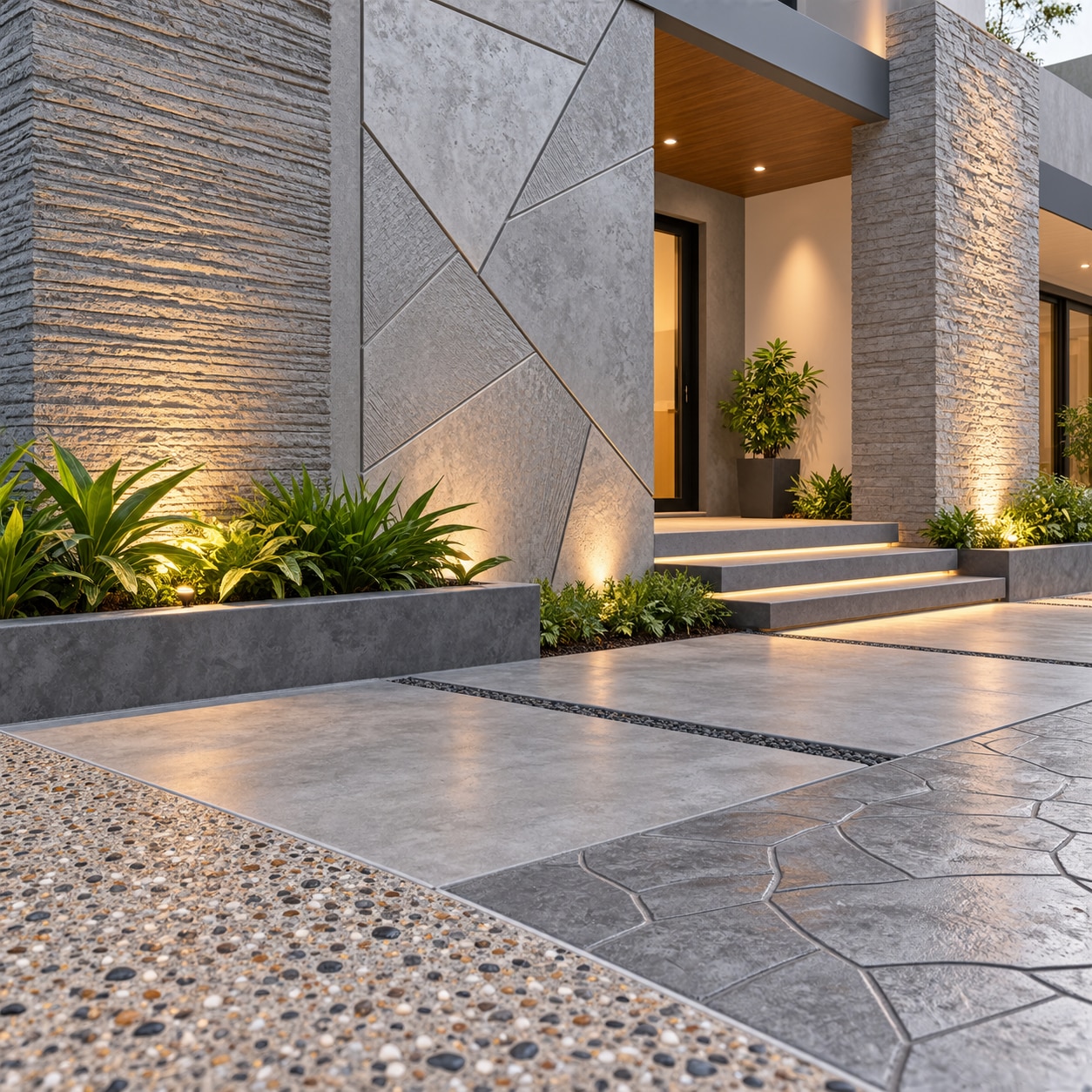
The right decorative concrete finish depends on more than colour: substrate condition, moisture exposure, texture depth, lighting, cleaning demands, and the sealer all affect the result. You will be able to match a finish to each room, assess installation risk, test samples properly, and compare quotations by the work included rather than by price per square foot.
Key takeaways
- Match the finish to moisture, texture, repair needs, and room scale.
- Use textured concrete selectively on walls, floors, counters, and outdoor areas.
- Specify substrate preparation, sample approval, coats, curing, and sealing in writing.
- Compare contractors by site inspection, sample panels, scope detail, and maintenance advice.
Which decorative concrete finish suits your design and its alternatives?
Choose decorative concrete when you want mineral depth, tactile variation, and a hard-wearing surface—not a printed imitation. Match the finish to texture, moisture, repair needs, and room scale.
| Option | Character | Best use |
|---|---|---|
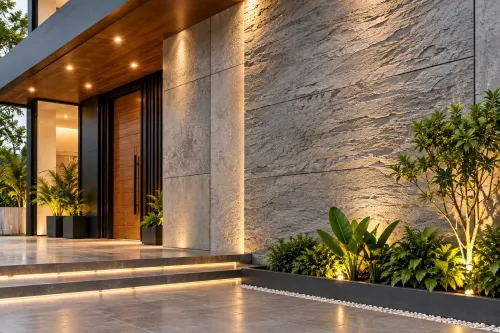
| Trowel- or sand-textured | Hand-worked movement | Feature walls; hides minor marks |
| Board-marked or brushed | Timber grain or linear strokes | Architectural direction without formwork |
| Stamped or stencilled | Repeated pattern or relief | Paver or tile effect; check cleaning effort |
| Metallic concrete | Reflective layered colour | Dramatic interiors; repairs remain visible |
| Microcement-style | Smooth 2–3 mm cementitious skin | Light, continuous appearance; movement transfers |
| Exposed concrete | Real pores and formwork marks | Authentic industrial character; hard to alter |
| Textured tiles or stone cladding | Factory pattern or natural thickness | Easier replacement and impact repair |
| Wallpaper or concrete-look paint | Printed image or colour film | Fast, light installation; least tactile |
Decorative concrete versus concrete-look paint is physical texture versus visual simulation. Microcement is thinner and more seamless-looking, but it is not waterproofing. Polished plaster creates a softer, richer interior; a concrete finish gives stronger architectural character. The Venetian plaster versus concrete finish decision favours warmth or rawness.
Choose textured tiles, stone cladding, or wallpaper when replaceability, removability, or low wall weight matters more than a monolithic appearance.
Where can the finish work in a Pune property?
Use a fine, sealed finish indoors and a slip-resistant, UV-stable system outdoors; decorative concrete is not itself waterproofing. This table matches each location to a practical finish and sealer.
| Area | Suitable finish | Sealer and caution |
|---|---|---|
| Living-room feature wall | Trowel-textured finish | Low-sheen acrylic or polyurethane interior sealer |
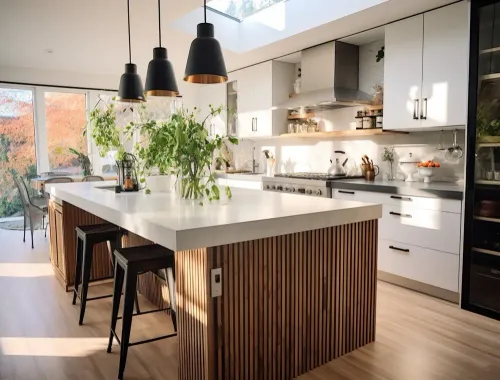
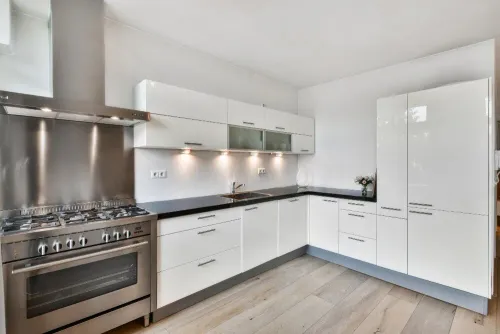
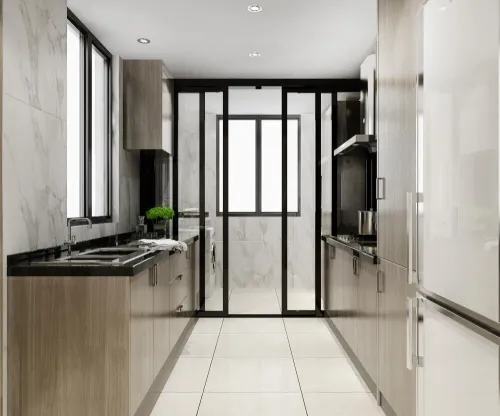
| Kitchen backsplash | Fine trowel-textured or brushed concrete | Chemical- and stain-resistant polyurethane; confirm food-contact suitability for worktops |
| Dining area | Brushed concrete or subtle stamped concrete panels or finishes | Washable low-sheen polyurethane; avoid deep grooves that hold crumbs |
| Bathroom walls | Fine sand-textured finish | Use over a waterproof membrane with sealed junctions and a compatible polyurethane system |
| Balcony | Brushed or honed concrete | UV-resistant exterior sealer with slip resistance; glossy surfaces become dangerous when wet |
| Compound wall | Board-marked concrete | Breathable silane-siloxane or exterior masonry sealer, as specified for the substrate |
| Façade | Board-marked or stamped concrete panels or finishes | UV- and rain-resistant exterior system; detail cracks, joints, and exposed edges |
| Outdoor seating area | Brushed or lightly textured concrete | Exterior sealer with a tested slip-resistant finish |
During Pune’s June-to-September monsoon, protect exterior work from wind-driven rain and high humidity. A surface that looks dry has not necessarily reached the moisture level required by the sealer.
Choose another finish when the slab needs major levelling, waterproofing is unresolved, acids and heat will attack a kitchen worktop, or the area demands effortless replacement and minimal maintenance. A rough texture is also the wrong choice where dirt, grease, or standing water cannot be controlled.
What must happen before and during installation?
Prepare the substrate before choosing a colour or texture. Check tiles, plaster, or concrete for hollow areas, weak bond, salts, oil, laitance, moisture, movement joints, and control cracks. Remove contamination, repair unsound areas, and carry designed joints or a crack-isolation system through the finish; primer over a weak surface leads to debonding and hollow patches.
1. Make a sample panel on the same substrate and view it under the room’s actual daylight, warm lights, and evening lighting. Check colour, sheen, texture depth, and sealer behaviour before approving a stencilled concrete finish, sand-textured finish, metallic concrete finish, or microcement-style finish.
2. Agree the application sequence in writing: surface preparation, primer, base coats, texture or stencil work, colour effects, edge detailing, and sealer. Keep each coat within the manufacturer’s drying window; rushing the next coat traps moisture and creates lifting, clouding, or uneven colour.
3. Complete decorative flooring before permanently installing modular-kitchen cabinets. Allow the specified drying and curing period, keep cabinet board above the floor, seal exposed cut edges, and use a removable plinth where plumbing leaks could require access.
4. Seal rooms from nearby work, use extraction and dust barriers, and cover furniture, fittings, floors, and appliances. Keep people, pets, and furniture off the surface until the installer’s stated cure time has passed; do not judge readiness by touch alone.
How do texture, sealing, and furniture details affect daily use?
Texture depth changes daily comfort and maintenance: deep relief catches dust and grease, while harsh scrubbing polishes high points or strips sealer. Use fine texture or a smooth washable band near cooking zones; grazing light exaggerates ridges and makes patch repairs obvious.
Choose an interior-grade sealer for indoor walls and an exterior-grade sealer for façades or balconies. Film-forming sealers deepen colour and improve stain resistance but can scratch, whiten with moisture, or become slippery; penetrating sealers look more natural but protect less against oil and household stains. Specify resealing intervals in the maintenance schedule.
Treat a kitchen backsplash separately. Use a kitchen backsplash sealer rated for repeated wiping, cooking heat, oils and acids, and state whether it is suitable for food contact; a general wall sealer is not automatically suitable for a worktop.
Design these interfaces before application:
- Complete and cure flooring before permanently installing cabinetry, so unfinished edges and damaged sealer do not disappear beneath plinths.
- Keep water-sensitive boards off the floor, seal exposed cuts, and use removable plinths for leak access.
- Align switches and shelves with the texture so plates sit flat and dust does not collect behind them.
- Mount artwork with spacers and avoid drilling through perimeter joints or plumbing routes.
Textured concrete scatters sound slightly but does not replace acoustic treatment, while its surface feels cool and hard underfoot. “Seamless” still needs flexible sealant at changes of plane, penetrations and cabinet joints. Kibo World’s cabinetry planning should therefore include finish thickness, access and repair routes.
How should you compare contractors and write the scope?
Require a line-by-line quotation and matching scope that fixes preparation, finish, protection, testing, and handover before you approve the work.
| Item | Require in the quotation and scope |
|---|---|
| Substrate preparation | Inspection, moisture check, crack repairs, grinding, levelling, primer, and disposal of debris; state exclusions for major screed correction. |
| Finish specification | Product or system name, texture method, colour code, sample approval, number of coats, coat thickness, and sealer type. |
| Performance | Slip resistance for floors, abrasion and stain resistance, cleaning method, UV suitability outdoors, and whether the sealer is food-contact suitable for kitchen worktops. |
| Interfaces | Flexible sealant at perimeter joints, plumbing penetrations, changes of plane, cabinet edges, and construction breaks; decorative concrete is not automatically waterproofing. |
| Commercial terms | Measured area, rate per square metre, GST, materials, scaffolding, protection, repair allowance, payment milestones, completion date, warranty, and exclusions. |
Reject a quote that says “seamless finish” without describing joints, edges and repairs. For flooring, require completion and curing before modular-kitchen cabinets are permanently installed; otherwise plinths can hide unfinished edges and later repairs may require removing carcasses.
- Make the contractor record the approved sample under your actual lighting, with its colour code and texture method attached to the scope.
- Add protection from wind-driven rain and high humidity during Pune’s June-to-September monsoon.
- State the moisture reading required before coating; a surface that looks dry can still damage the sealer.
- Link final payment to inspection, cleaning instructions, product data sheets and photographs of concealed edges.
Frequently asked questions
Which decorative concrete finish suits a contemporary property?
Choose by texture, moisture exposure, repair needs, and room scale; compare mineral finishes with tiles, stone, paint, and microcement.
Where can decorative concrete work in a Pune property?
Use it on suitable walls, floors, counters, backsplashes, outdoor areas, and feature surfaces after checking moisture, traffic, and substrate conditions.
What must happen before and during decorative concrete installation?
The contractor must inspect and prepare the substrate, approve a sample, define the finish, apply each coat correctly, and allow curing before use.
How do texture, sealing, and furniture details affect daily use?
Texture affects cleaning and touch, sealing affects stain and moisture resistance, and furniture edges, hardware, and clearances affect practical use.
How should you compare decorative concrete contractors?
Compare site inspections, physical sample panels, substrate preparation, product and coat specifications, curing instructions, warranty terms, and a written scope.