
Exterior walls face sunlight, rainfall, dust, temperature changes, and ongoing exposure that interior finishes never encounter. A texture selected only for its appearance may fade, trap dirt, develop cracks, or fail prematurely if the supporting wall is not prepared correctly.
For an exterior texture wall in Pune, selection should begin with building conditions and environmental exposure.
Evaluate the Wall Before Choosing a Finish
Exterior texture cannot correct active seepage, unstable plaster, structural cracks, or poorly detailed joints. These conditions need inspection and suitable repair first.
The assessment should identify:
- Hairline and wider cracks
- Damp patches
- Loose plaster
- Previous coating failure
- Efflorescence
- Water accumulation
- Exposed service lines
- Areas receiving intense sunlight or rain
Different elevations of the same building may require different levels of preparation.
Choose a Suitable Texture Profile
Fine textures create a restrained look and generally collect less dust. Medium textures provide visible depth without becoming dominant. Coarse textures can disguise minor visual irregularities but may retain more dirt and create stronger shadow patterns.
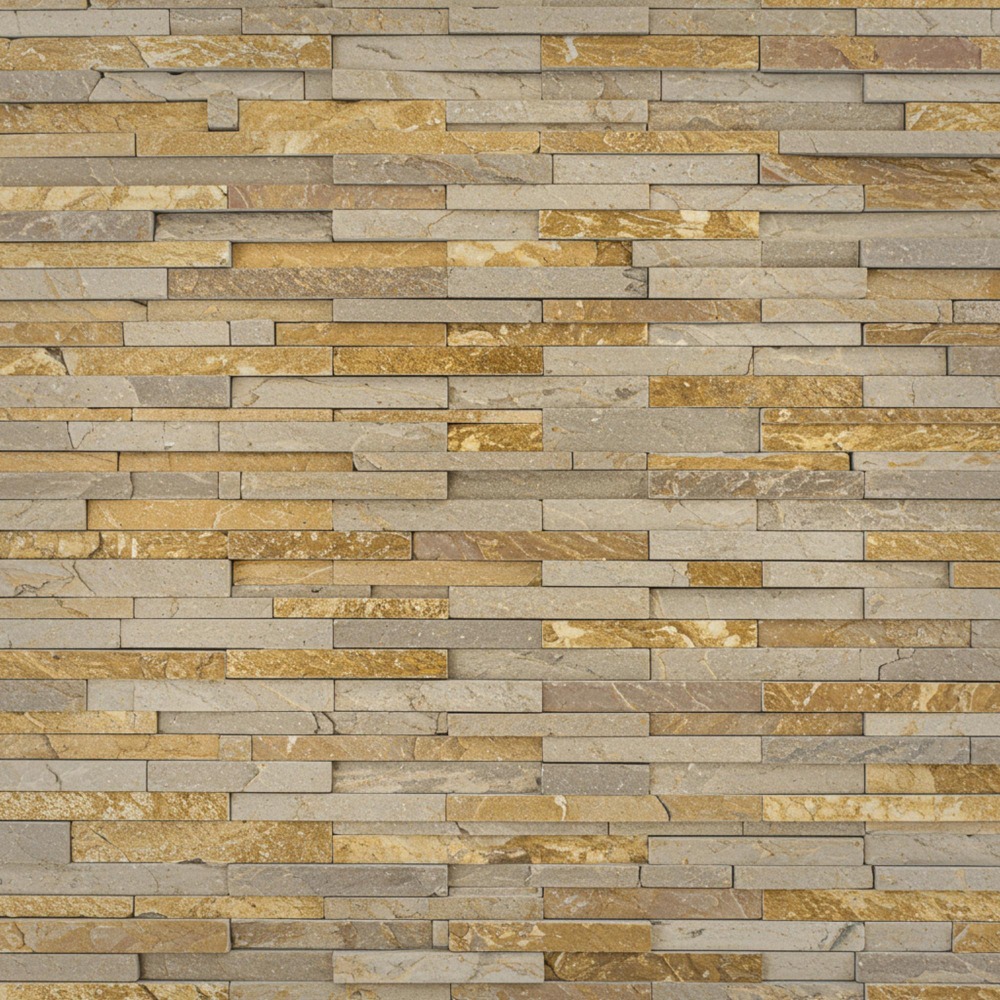
The pattern should suit the architecture. Horizontal lines can visually widen a façade, while vertical arrangements may emphasize height. Stone and concrete effects can complement contemporary buildings, provided they are used with restraint.
Understand the Complete Coating System
Exterior performance depends on the complete system rather than the decorative layer alone. A specification may include surface repair, primer, base coat, texture application, protective coating, and final paint.
Buyers should ask whether the proposed system is suitable for:
- Exterior exposure
- UV conditions
- Seasonal rainfall
- Surface movement
- Algae or fungal risk
- Cleaning and maintenance
Compatibility between layers is important. Combining unrelated products without technical justification can affect adhesion and durability.
Select Colours for Practical Performance
Very dark colours absorb more heat and may show dust or mineral deposits differently from lighter shades. Extremely pale surfaces can reveal pollution staining, particularly near busy roads.
Mid-tone neutrals, earth colours, muted greys, and natural concrete shades often provide a balanced exterior appearance. Accent colours can be introduced on controlled architectural features rather than across every elevation.
A large on-site sample should be reviewed in daylight before approval.
Pay Attention to Water Management
Many exterior wall problems begin with uncontrolled water. Copings, parapets, balconies, window projections, drainage outlets, and pipe penetrations should direct water away from the surface.
No decorative texture can compensate for water repeatedly entering from an unsealed terrace or damaged pipe. These details should be resolved before finishing work starts.
Request a Clear Application Plan
Exterior texture projects need suitable weather conditions and adequate curing or drying time. Work should be sequenced so that rain, dust, scaffolding movement, and other contractors do not damage fresh surfaces.
A proposal should identify:
- Surface preparation steps
- Materials and application method
- Approved sample area
- Number of coats
- Protection measures
- Expected maintenance
- Defect responsibility
- Handover inspection
Kibo World undertakes texture and decorative surface projects for Pune residences, commercial properties, and development requirements. Property owners should compare providers using system specifications and sample quality, not merely the lowest rate per square foot.
An exterior texture wall performs well when design and building protection are treated as part of the same decision. Proper repairs, compatible materials, controlled application, and thoughtful colour selection create a façade that remains visually coherent through Pune’s changing seasons.