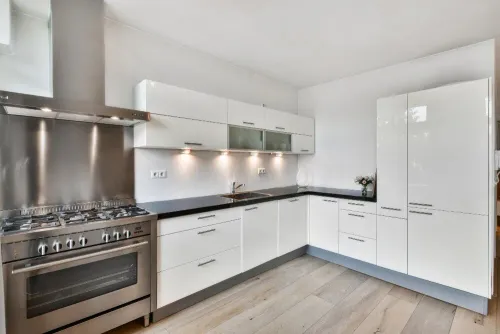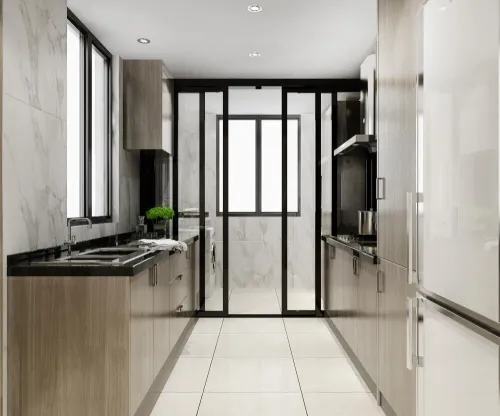
Moisture around sinks, utility connections, and poorly ventilated walls can gradually damage unsuitable kitchen materials. This concern becomes more noticeable during Pune’s monsoon season or in homes where plumbing leaks have occurred previously.
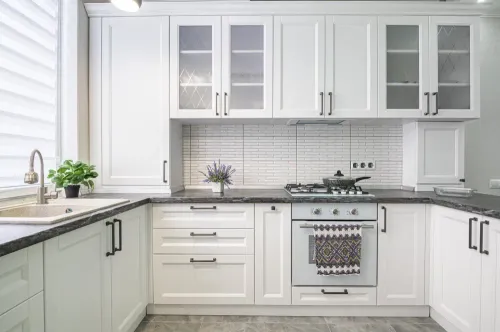
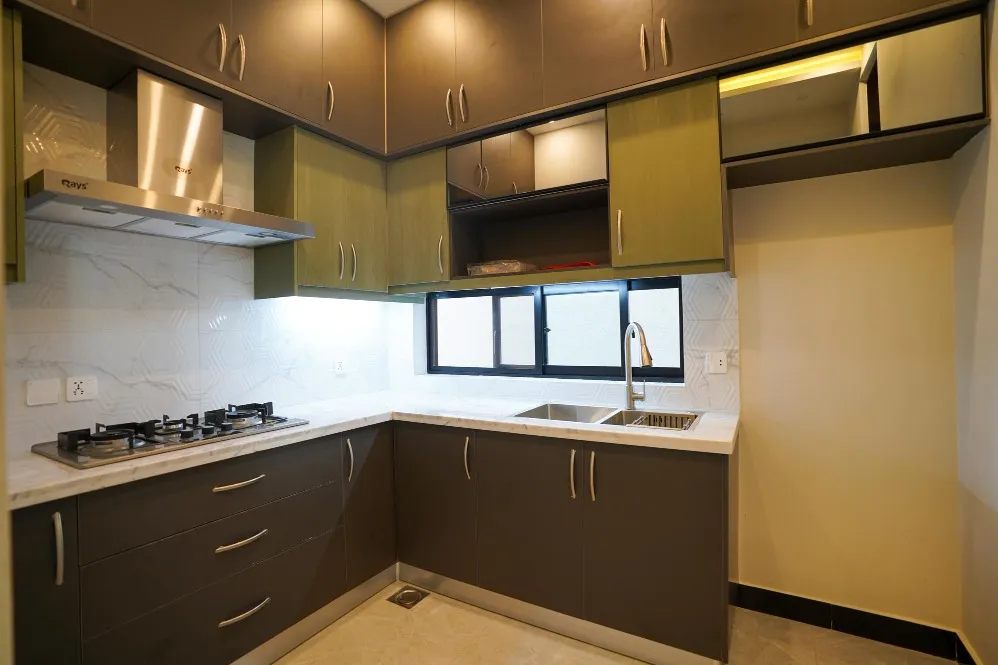
A PVC modular kitchen in Pune can be considered where moisture resistance and easy maintenance are priorities. However, the term “PVC kitchen” covers different products, so buyers should understand exactly what is being offered.
Clarify the Type of PVC Construction
PVC may refer to hollow boards, foam boards, sheets, laminates, edge materials, or selected components within a modular kitchen. These products differ in density, strength, finish, and application.
Ask the manufacturer to specify:
- The board or substrate used
- Board thickness
- Internal construction
- Surface finish
- Edge treatment
- Hardware fixing method
- Load-bearing suitability
- Recommended areas of application
A general statement that the kitchen is made from PVC is not enough to assess quality.
Where PVC Can Be Useful
PVC-based materials are often considered for wet or maintenance-sensitive zones because they do not behave like untreated natural wood when exposed to moisture.
Potential advantages include:
- Resistance to water absorption, depending on the product
- Protection against termite-related damage
- Easy surface cleaning
- Availability in multiple colours
- Suitability for selected sink and utility areas
- Reduced dependence on periodic polishing
These benefits can be valuable in rental homes, utility kitchens, compact apartments, and properties where simple maintenance is important.
Understand Structural Requirements
Moisture resistance alone does not determine whether a material is suitable for every cabinet. Tall pantry units, wide drawers, heavy stone-supported sections, and heavily loaded shelves need sufficient structural strength.
Hardware also requires a stable fixing base. Hinges, channels, lift-up systems, and pull-outs must remain securely attached during repeated use.
The manufacturer should therefore recommend materials according to cabinet size and load, rather than applying one board type to every section without evaluation.
Compare PVC With Other Options
Plywood-based kitchens are often selected for structural strength and wide finish compatibility. Engineered boards can provide consistent surfaces for certain applications, while PVC-based options may offer advantages in moisture-sensitive environments.
There is no universal material that is ideal in every situation. A practical kitchen may even use different materials in different zones.
Comparison should cover:
- Moisture exposure
- Cabinet dimensions
- Expected load
- Hardware compatibility
- Finish availability
- Repair possibilities
- Project budget
- Intended lifespan
Choosing entirely on the basis of price can result in a material that does not suit the actual application.
Inspect Samples and Finished Work
A physical sample reveals more than a digital catalogue. Check its rigidity, thickness, surface quality, edge finishing, and screw-holding characteristics.
If possible, inspect a completed kitchen or detailed production sample. Look for straight shutters, even gaps, stable shelves, clean joints, and securely fitted hardware.
Buyers should also ask how damaged shutters or components can be replaced in the future.
Do Not Ignore the Source of Moisture
A moisture-resistant cabinet is not a substitute for fixing plumbing or seepage problems. Before installation, leaking pipes, damp walls, poor drainage, and inadequate ventilation should be corrected.
The sink cabinet should be planned with accessible plumbing and a protective base. Regular inspections can identify small leaks before they affect adjoining units.
Kibo World helps Pune homeowners evaluate modular kitchen materials according to site conditions, maintenance expectations, and budget. A responsible recommendation should explain where PVC is appropriate and where an alternative material may provide better support.
A PVC kitchen can be a sensible choice when its specifications match the intended use. Clear product information, suitable structural planning, and careful installation matter more than the material label alone.
Keywords