
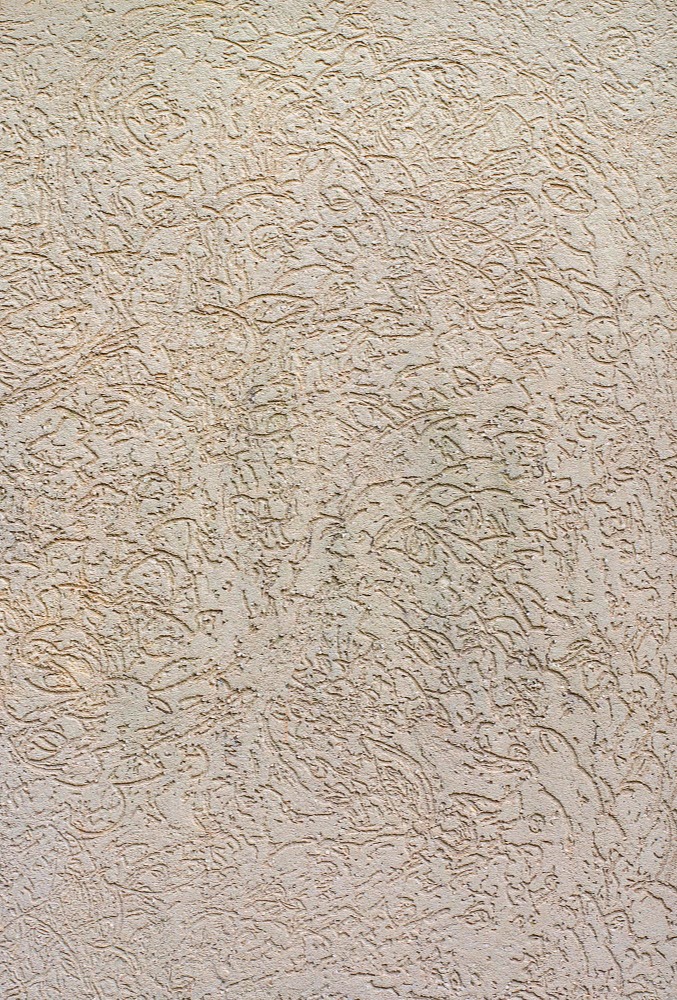
Decorative wall texture finishes have become an essential part of modern interior and architectural design. They introduce depth, material variation, and visual interest while helping define the personality of a space.
However, experienced architects and interior designers do not choose textured finishes based solely on appearance. Their recommendations are guided by practical considerations such as durability, maintenance, lighting, and compatibility with the overall design concept.
For residential and commercial projects in Pune, understanding these evaluation criteria can help property owners make informed decisions.
The Finish Must Match the Design Theme
Every interior style benefits from a different type of wall texture.
For example:
- Minimalist homes suit subtle textures.
- Industrial interiors often feature exposed concrete effects.
- Luxury residences may incorporate layered decorative finishes.
- Contemporary offices prefer clean architectural textures.
The finish should enhance the overall concept instead of competing with it.
Lighting Influences the Final Appearance
Texture behaves differently under various lighting conditions.
Natural light highlights surface depth, while artificial lighting can create dramatic shadows that emphasize patterns.
Before selecting a finish, designers usually consider:
- Window placement
- Ceiling lights
- Wall washers
- Spotlights
- Accent lighting
Proper lighting can completely transform the visual impact of a textured wall.
Material Performance Is Important
A beautiful finish should also withstand everyday use.
Professionals evaluate:
- Surface durability
- Scratch resistance
- Ease of maintenance
- Moisture compatibility
- Long-term colour stability
Choosing the right material for each room ensures better performance over time.
Scale and Proportion Matter
Large, bold textures may look impressive in spacious commercial buildings but can overwhelm compact apartments.
Designers consider:
- Ceiling height
- Wall dimensions
- Furniture placement
- Viewing distance
Balanced proportions create visually comfortable interiors.
Texture Should Complement Other Materials
Decorative walls work best when coordinated with surrounding finishes.
Common combinations include:
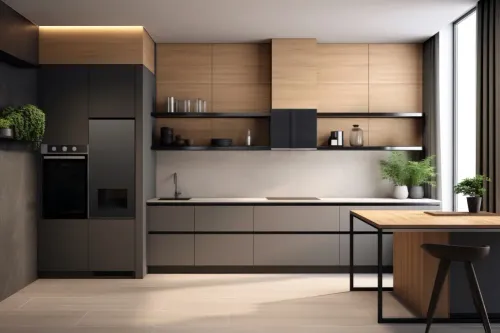
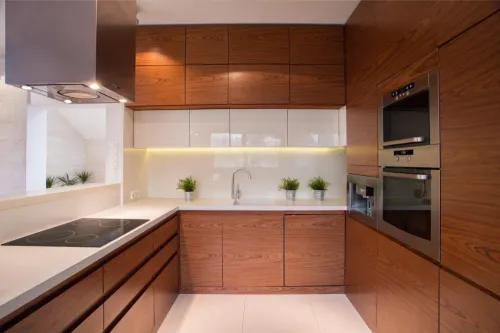
- Wood
- Glass
- Marble
- Metal
- Concrete
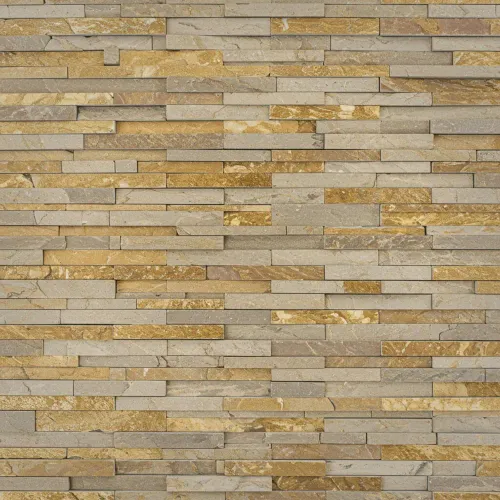
- Natural stone
The objective is to create harmony rather than excessive contrast.
Feature Walls Create Better Results
Instead of applying texture everywhere, many professionals recommend highlighting one focal wall.
Popular locations include:
- Living rooms
- Dining areas
- Bedrooms
- Hotel lobbies
- Reception counters
- Conference rooms
Strategic placement keeps the design elegant and timeless.
Professional Application Makes the Difference
Decorative wall textures require specialized skills.
The process typically includes:
- Surface preparation
- Base coating
- Texture creation
- Drying and curing
- Protective finishing
Proper execution produces consistent results with improved durability.
Finding Experienced Specialists
Architectural wall finishes combine technical expertise with creative craftsmanship. Every project requires careful planning based on the building's function, design language, and environmental conditions.
Kibo World works with homeowners, architects, and interior designers across Pune to develop customized decorative wall texture finishes that integrate seamlessly into residential, hospitality, and commercial environments.
Decorative wall textures are far more than decorative elements. When selected thoughtfully and installed professionally, they become architectural features that elevate the entire interior while maintaining practicality and long-term performance.