
Concrete-inspired surfaces are no longer limited to unfinished industrial buildings. Designers now use custom concrete effects to create sophisticated walls, reception counters, feature panels, retail displays, hospitality interiors, and contemporary residential spaces.
Custom concrete textures in Pune can be adapted through colour, movement, pattern, relief, and application technique. Successful results depend on careful sampling and an understanding of how handcrafted surfaces naturally vary.
Identify the Desired Concrete Character
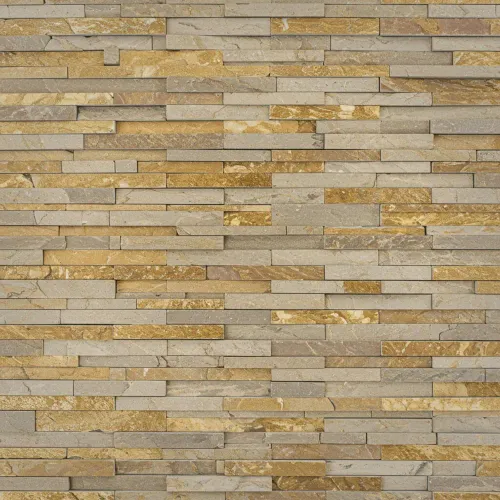
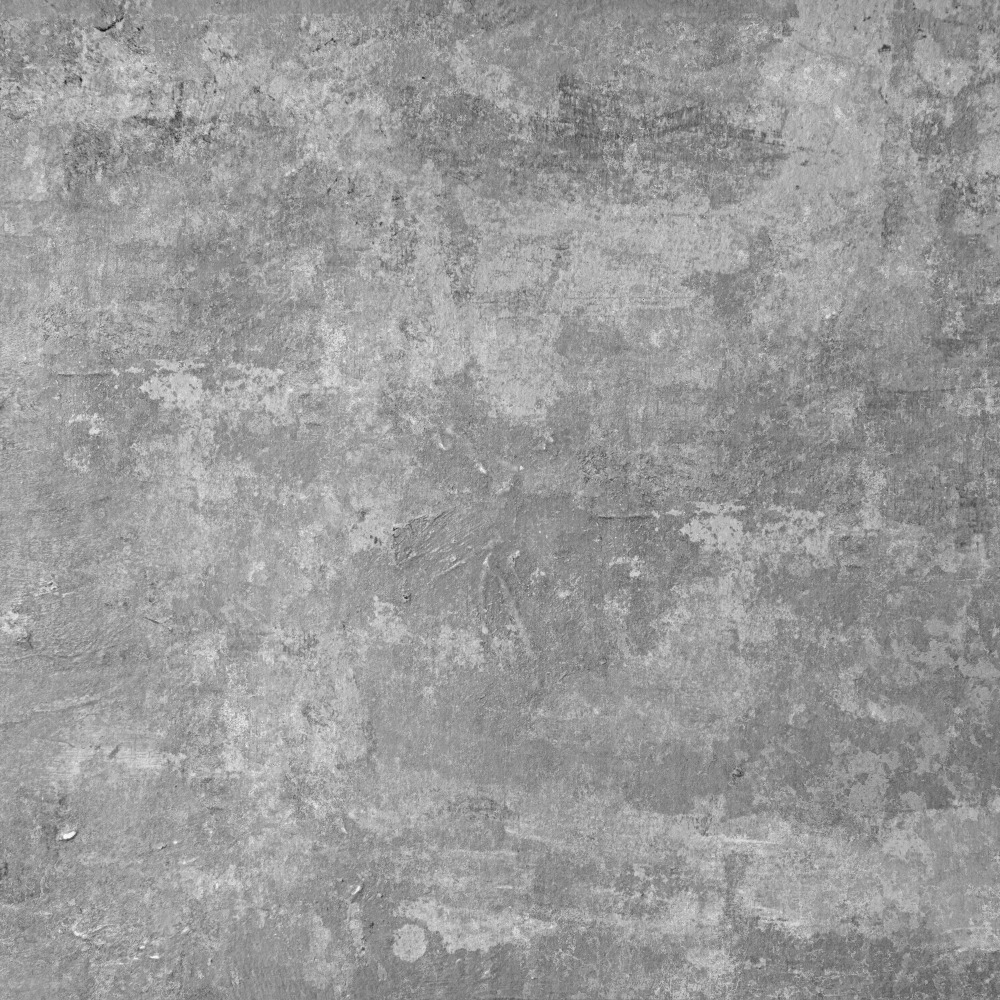
“Concrete finish” can describe several visual directions. One client may want a smooth architectural surface with subtle tonal movement. Another may prefer pronounced trowel marks, shuttering impressions, distressed effects, or deep sculptural relief.
Useful references include:
- Smooth micro-concrete appearances
- Raw industrial textures
- Board-formed concrete effects
- Travertine-inspired movement
- Layered trowel finishes
- Geometric relief
- Aged or weathered surfaces
- Minimal monochrome finishes
Reference images should be accompanied by physical samples because lighting and photography can alter the perceived colour and depth.
Select Applications According to Use
Concrete textures can create strong focal points, but not every surface needs the same treatment.
In homes, they may suit television walls, entrance passages, bedrooms, dining areas, or staircases. Hotels and restaurants can use them to build atmosphere across lobbies, counters, columns, and feature walls.
Commercial spaces may apply them to reception zones, meeting areas, showrooms, or product displays. The finish should be chosen according to contact, cleaning, moisture, and expected wear.
Coordinate With Furniture and Lighting
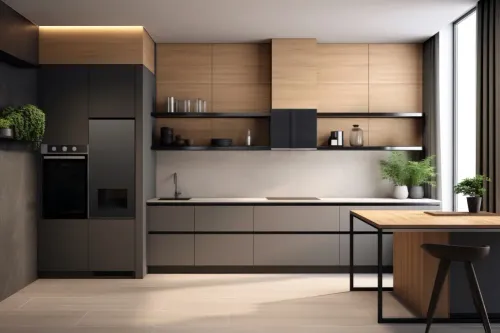
Concrete finishes are visually versatile. They can soften polished metal, balance warm timber, or create contrast with colourful upholstery.
Common combinations include:
- Grey concrete with natural wood
- Warm beige concrete with brass
- Dark charcoal texture with focused lighting
- Pale mineral finishes with black metal
- Raw surfaces with soft fabrics and plants
Directional light brings out handmade movement. Poorly positioned light can exaggerate unwanted surface irregularities, so mock-ups should be reviewed under the intended lighting.
Accept Controlled Variation
Custom texture work is typically applied by hand. Slight tonal and pattern variation is often part of its character rather than a defect.
The important distinction is between controlled variation and inconsistent workmanship. A sample panel should establish the accepted colour range, tool marks, relief, sheen, and overall visual density.
For large projects, the application team should record the approved method so that work remains coherent across multiple walls or floors.
Prepare and Protect the Surface
The substrate must be stable, dry, and correctly prepared. Cracks, dampness, loose paint, and uneven plaster require attention before decorative work begins.
Protection after application is equally important. Freshly completed surfaces can be damaged by carpentry, electrical work, material movement, or careless cleaning. Decorative finishes should therefore be coordinated with the overall site schedule.
What Project Buyers Should Confirm
Architects, developers, and procurement managers should request:
- A physical sample or mock-up
- Defined surface preparation
- Product and system details
- Expected colour variation
- Application sequence
- Protection requirements
- Maintenance guidance
- Repair methodology
Kibo World creates custom decorative concrete textures for Pune residential, hospitality, retail, and commercial projects. Early coordination with architects and interior designers helps translate visual references into an application that is practical for the chosen surface.
Custom concrete works best when it feels intentional rather than unfinished. With controlled sampling, skilled application, and appropriate lighting, it can give an interior a distinct material identity without overwhelming the architecture.